Coding Standards: Is it a Need?
23 Sep 2025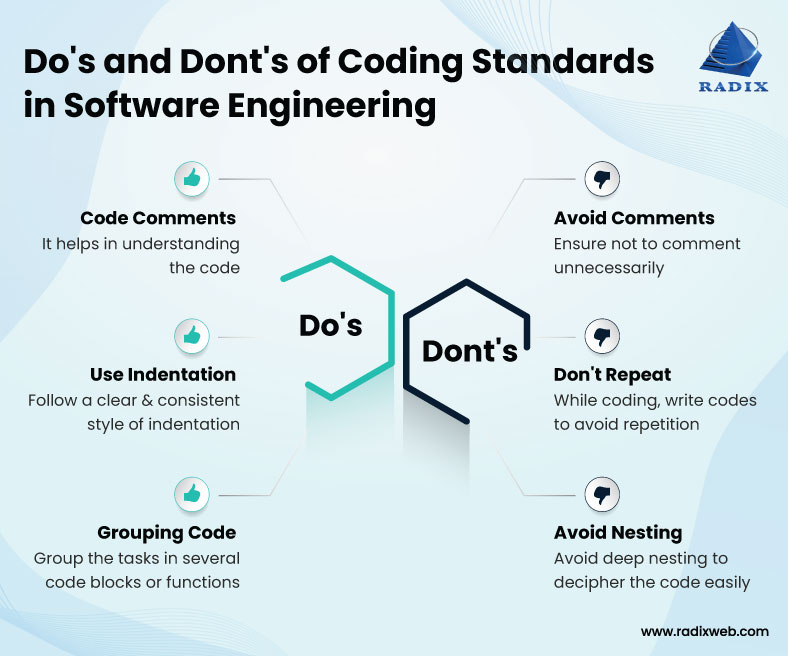
Introduction
Are coding standards really about spaces and curly braces, or do they define what makes a piece of code good? These are the types of questions software engineers should be asking themselves daily when writing lines of code. Coding standards are essentially a set of rules or guidelines that define how code should be written and structured. Usually this helps a lot when working within a team of developers as it keeps the code clean and organized. However, everyone has preferences and sometimes those preferences ignore the usage of such standards or rules. Depending on who you work for, some companies require strict standards that can feel excessive and, if not followed, may even cause issues with your employer. Through my many experiences developing code, I believe coding standards can be essential for improving code, but should not be enforced for everyone.
Define Coding Standards
Coding standards are more than just superficial style rules—they make code clear and precise in its presentation. Simply adding comments or correctly using indentations allows for clear and easily understandable code. The bonuses to having certain coding standards is that it allows for more readability, maintainability, debugging ease, and collaboration in teams. Software engineers most times underestimate how standards impact their code. They do not realize that having such a foundation allows for much more ease when it comes to building projects. Even with these perks, however, I remain somewhat skeptical about whether coding standards should always be applied.
My Stance on Coding Standards
Having used multiple languages and different IDEs, I have realized there are countless ways to code. Everyone enjoys a specific language or another, and the same can be said for the way that their code is represented. Personally, I like to keep my code neat and tidy while also keeping it casual. For example, I still use plenty of indentations, comments, and normal standards that were enforced into my brain when I first began. However there are certain ways to go about these standards, though I don’t follow them all the time. I understand the benefits of standards—how they can help you learn a new language or avoid bugs—but sometimes the rules feel excessive.For example, I used to use JGrasp, an IDE platform for Java, in which it was required all the time for your code to pass a checkstyle before it could run. The checkstyle would report any violations of defined coding standards in the compile messages tab, which would show all the little error mistakes that didn’t break the code, but made it seem ‘messy.’ I did not like nor appreciate this level of standardization as it was frustrating to have a working API that would run and compile, but be left with dozens or even hundreds of checkstyle errors of small things like indentation in a specific place.
ESLint Experience
My experience with ESLint has resulted in me disliking it mainly, as it is a similar situation to the previously mentioned checkstyle experience. The constant checking of small coding standards becomes an annoyance very often to me, and while I understand its usage I don’t find it fitting for my way of coding. The way ESLint works feels very strict and more annoying than useful overall. I do notice mistakes when they’re flagged, but nine times out of ten, they’re small issues that don’t cause actual bugs. I found for me that ESLint isn’t something I plan on using in my future of programming beyond this class, however it is useful to know in case I do need to follow certain coding standards for a specific company.
Conclusion
While I have been coding for over a couple years now, I still believe that coding standards can be both beneficial but also annoying for myself. I understand the discipline and long-term benefits that they provide when it comes to programming, but the amount of time they consume to flag small mistakes makes them less appealing for smaller tasks. I think adopting coding standards is something every programmer should be aware of and capable of following, but for me personally, I don’t see them as essential to becoming a better programmer.